Introduction.
The minimum wage is a fundamental concept in the labor and economic spheres, referring to the minimum amount of remuneration that employers are legally obligated to pay their workers for a given period of work, whether hourly, daily, or monthly. This labor protection mechanism is essential to guarantee decent working conditions and help prevent the exploitation of employees.
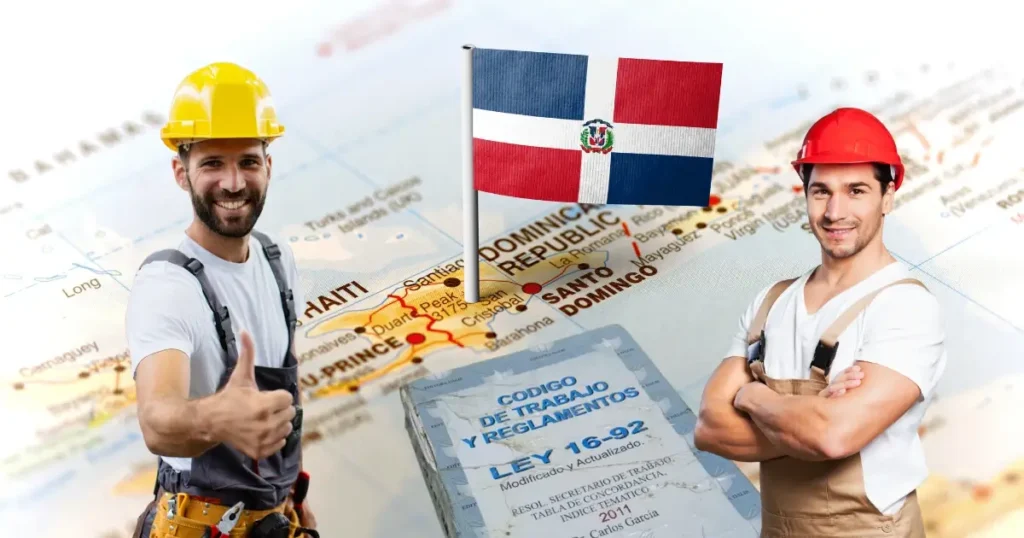
The Dominican Republic's Labor Code defines the minimum wage as follows: “Art. 213.- Minimum wage is the lowest wage that can be agreed upon in an employment contract.”
The importance of the minimum wage in the economy and society is undeniable. On the one hand, its proper implementation and adjustment can contribute to improving the quality of life for workers and their families, reducing wage inequality, and promoting economic growth by increasing purchasing power and consumption. On the other hand, a poorly established or excessively high minimum wage can create challenges, such as increased informal employment and potential negative effects on job creation.
The objective of this article is to provide a comprehensive analysis of the minimum wage, addressing its origins, purposes, benefits, and challenges. Furthermore, it will explore the practices and policies for establishing and adjusting the minimum wage in different countries, particularly in the Dominican Republic, and discuss future perspectives and proposals related to this topic. In this way, it aims to offer a broad and up-to-date view of the role of the minimum wage in society and the economy, as well as its implications and challenges.
Here you can obtain Resolution No. 1-2023 on the minimum wage for the non-sectorized private sector, effective from April 1, 2023: Application of the minimum wage increase in the Dominican Republic according to Resolution No. 1-2023 of the National Wage Committee
Resolution No. 1-2023
History of the minimum wage
Origins and implementation of the minimum wage in different countries.
The concept of a minimum wage arose in response to precarious working conditions and the exploitation of workers during the Industrial Revolution. However, its formal implementation in labor laws varied depending on the historical and political context of each country.
One of the earliest examples of a minimum wage is found in New Zealand, where the Conciliation and Arbitration Act was enacted in 1894, establishing that minimum wages would be set by arbitration commissions. In Australia, in 1907, the landmark case known as «Harvester Judgment» It established the "basic wage" as the minimum necessary for a worker and his family to live with dignity.
In the United Kingdom, the Minimum Wage Act (Trade Boards ActThe Minimum Wage Act was enacted in 1909, establishing minimum wages for certain industries with poorly paid workers and no union representation. In the United States, the implementation of the federal minimum wage took place in 1938, through the Fair Labor Standards Act (FLSA), which established an initial minimum wage of $0.25 per hour.
In Latin America, the minimum wage began to be implemented in the mid-20th century. For example, in Mexico, the Federal Labor Law of 1931 established the minimum wage, while in Argentina, the Labor Contract Law of 1945 did the same.
The National Wage Committee is a tripartite body belonging to the Ministry of Labor, responsible for setting the national minimum wage for workers in the various sectors of the Dominican labor market. Its powers, according to the Labor Code, include setting minimum wage rates for workers in all economic activities, reviewing minimum wage rates for each economic activity every two years, and establishing classifications by occupation or occupational groups, regions or zones, or categories or classes of economic activity.
Current labor law, the implementing regulations of the Labor Code, Regulation No. 512/97 concerning the application of the National Wage Committee, the resolutions of the Minister of Labor, and the International Labour Organization (ILO) Conventions support the actions of the National Wage Committee in the Dominican Republic. Furthermore, the Committee must consider the need to establish minimum wages that contribute to employees' competitiveness in the labor market when setting and adjusting these minimum wages.
Evolution of the minimum wage over time.
Over time, the minimum wage has undergone changes and adjustments based on the economic, political, and social needs of each country. Generally, these adjustments have aimed to maintain workers' purchasing power and protect them from inflation and fluctuations in the cost of living.
In the United States, the federal minimum wage has been adjusted several times since its implementation in 1938. However, its real value (adjusted for inflation) has fluctuated and, in some cases, has decreased compared to previous years. Currently, some states and cities in the U.S. have established their own minimum wages, higher than the federal minimum wage, in response to differences in the cost of living and local needs.
In Europe, most countries have adopted minimum wage laws in recent decades, although the approach and levels vary. Some countries, such as Germany, established a general minimum wage only recently (in 2015), while others, such as the Nordic countries, do not have a legal minimum wage but guarantee living wages through collective bargaining and the strength of their trade unions.
In Latin America, the evolution of the minimum wage has been influenced by the economic and political situation of each country, as well as by labor and social movements. In many cases, minimum wages have been adjusted periodically, although sometimes they have failed to maintain workers' purchasing power in the face of inflation and the cost of living.
In summary, the history of the minimum wage reflects the concerns and efforts to protect workers and guarantee decent working conditions in diverse national and historical contexts. Over time, there have been attempts to adapt the minimum wage to the economic and social realities of each country, although this process has not been without challenges and controversies. Adjustments to the minimum wage have been crucial for maintaining workers' purchasing power, although in many cases they have not been sufficient to prevent the loss of purchasing power due to inflation and other economic factors.
In the 21st century, the minimum wage remains a central topic in national and international discussions on labor and economic policy. Current trends point to a greater focus on worker protection and reducing inequality, reflected in the establishment of higher minimum wages in several countries and the promotion of debates on how to improve minimum wage policies to ensure greater well-being and social justice.
In this context, the historical evolution of the minimum wage offers valuable lessons on the challenges and opportunities that modern societies and economies face in the search for a balance between protecting workers, promoting employment, and sustainable economic growth.
Objectives and purposes of the minimum wage
Protect workers from unfair wages and labor exploitation.
One of the main objectives of the minimum wage is to protect workers from unfair wages and precarious working conditions. By establishing a minimum pay threshold, employers are guaranteed that they cannot pay workers below that limit, thus preventing labor exploitation and contributing to a fair and dignified work environment. Furthermore, by guaranteeing a minimum wage, companies are encouraged to compete based on factors such as quality, innovation, and efficiency, rather than competing to reduce labor costs at the expense of workers.
Reduction of poverty and inequality.
The minimum wage also aims to reduce poverty and wage inequality in society. By guaranteeing a minimum income for workers, it provides them with a basic level of economic security that allows them to meet their basic needs and those of their families. This is especially relevant for workers with low levels of education or work experience, who may be at greater risk of living in poverty.

Furthermore, the minimum wage can help reduce the wage gap between different socioeconomic groups, genders and ethnicities, as it ensures that all workers receive at least a minimum wage for their work, regardless of their origin, gender or educational level.
Stimulate economic growth and consumption.
The minimum wage can also contribute to economic growth by increasing workers' purchasing power and thus stimulating consumption. When workers earn higher wages, they are more likely to spend on goods and services, which in turn boosts demand and economic growth. Increased consumption can have a multiplier effect, as businesses experience higher revenues and can consequently hire more employees, invest in technology, and expand.
However, it is important to bear in mind that an excessive increase in the minimum wage can also have negative effects on the economy, such as reduced demand for labor from businesses or increased inflation. Therefore, it is crucial to find an appropriate balance when setting and adjusting the minimum wage, taking into account the specific economic and social conditions of each country and the potential effects on employment and inflation.
Benefits of the minimum wage
Improving the quality of life of workers.
The minimum wage can contribute to improving workers' quality of life by guaranteeing a minimum income that allows them to cover their basic needs, such as food, housing, health, and education. By ensuring that workers receive fair compensation for their work, a more equitable work environment is fostered, and the overall well-being of the working population is promoted.
Increased purchasing power.

Establishing a minimum wage increases workers' purchasing power, especially for those with low incomes. With an adequate minimum wage, workers can afford to buy more goods and services, which benefits not only them and their families but also the economy as a whole by increasing demand for products and services.
Reduced employee turnover and increased employee retention.
A fair minimum wage can help reduce employee turnover and increase employee retention. When workers earn a living wage, they are more likely to be satisfied with their jobs and, therefore, less likely to seek employment elsewhere. This, in turn, benefits businesses by reducing the costs associated with recruiting and training new employees, as well as improving organizational productivity and efficiency.
Stimulating economic growth through increased consumption.
As mentioned earlier, the minimum wage can stimulate economic growth by increasing consumption. When workers have greater purchasing power, they tend to spend more on goods and services, which boosts demand and, in turn, economic growth. Increased consumption can generate a multiplier effect in the economy, as businesses experience increased revenue and, consequently, can hire more employees, invest in technology, and expand.
In summary, the minimum wage offers numerous benefits for both workers and the economy as a whole. However, it is important to strike a balance when setting and adjusting the minimum wage, taking into account the specific economic and social conditions of each country and the potential effects on employment and inflation.
Challenges and criticisms of the minimum wage
Possible negative effects on employment (layoffs, reduced hiring).
One of the main criticisms of the minimum wage is that it can have negative effects on employment, especially if it is set too high relative to a country's economic and productive conditions. Some argue that a high minimum wage could lead companies to lay off employees or reduce hiring, as labor costs increase and it becomes more difficult to maintain or expand their workforce. However, various studies have found that the effects of the minimum wage on employment can be small or even nonexistent, depending on the specific circumstances and how the policy is implemented.
Increase in informal employment.
Another challenge associated with the minimum wage is the potential increase in informal employment. If the minimum wage is too high and businesses cannot afford it, they may resort to hiring workers informally or subcontracting to companies that do not comply with labor regulations. This can result in a higher proportion of workers without social protection and access to employment benefits, which in turn can worsen working conditions and increase the vulnerability of these employees.
Difficulty in establishing an adequate and balanced minimum wage.
One of the biggest challenges in implementing a minimum wage policy is determining an appropriate and balanced level. A minimum wage that is too low may not be enough to protect workers and improve their quality of life, while a minimum wage that is too high could have negative effects on employment and the economy as a whole. Establishing an appropriate minimum wage requires a careful analysis of a country's economic, social, and political conditions, as well as consideration of multiple factors, such as productivity, inflation, the cost of living, and economic growth.
In summary, while the minimum wage can offer numerous benefits, it also faces challenges and criticisms that must be addressed carefully and in a balanced way. It is important to consider the potential negative effects and find solutions that allow for the establishment of a minimum wage that protects workers and promotes economic growth and the overall well-being of society.
Establishment and adjustment of the minimum wage
Factors that influence the determination of the minimum wage.
Setting the minimum wage involves considering various factors that can influence its appropriate and balanced level. Some of the key factors to consider include:
- Cost of living: The minimum wage must be sufficient to cover the basic needs of workers and their families, which implies considering the cost of living in terms of housing, food, health, education and other essential expenses.
- Inflation: Inflation can erode workers' purchasing power if the minimum wage is not adjusted accordingly. Therefore, it is important to consider the inflation rate when setting and adjusting the minimum wage.
- Productivity: The productivity of workers and businesses also influences the determination of the minimum wage. An adequate minimum wage should allow businesses to remain competitive and maintain their levels of production and efficiency.
- Economic and labor market conditions: When setting the minimum wage, it is important to consider economic and labor market conditions, including the unemployment rate, economic growth, and the demand for labor.
Negotiation process between governments, unions and employers.
The process of setting and adjusting the minimum wage typically involves negotiations and consultations between governments, trade unions, and employers. This tripartite approach allows different stakeholders to express their concerns and perspectives and facilitates reaching a consensus on the appropriate minimum wage level.
In general, governments are responsible for regulating and setting the minimum wage, but they typically involve trade unions and employers in the process to ensure that the needs and concerns of all stakeholders are taken into account. Negotiations may take place through minimum wage commissions, social dialogue forums, or other consultation and collaboration mechanisms.
Frequency and criteria for adjusting the minimum wage.
The minimum wage must be adjusted periodically to ensure it remains relevant and appropriate in light of changing economic and social conditions. The frequency and criteria for adjusting the minimum wage may vary depending on the country and its specific legislation.
Some countries adjust the minimum wage annually, while others do so more or less frequently. The criteria for adjustment may include factors such as inflation, economic growth, productivity, the cost of living, and labor market conditions. Automatic adjustments based on certain economic indicators, such as the inflation rate, or through negotiations between governments, unions, and employers are also possible.
In the Dominican Republic, minimum wage rates are reviewed every two years by the National Wage Committee. Representatives of workers, employers, and the government (represented by the National Wage Committee) participate in these discussions.
In any case, it is crucial that the adjustment of the minimum wage is carried out regularly and transparently, and that it takes into account the specific economic and social conditions of each country to ensure that it continues to fulfill its objectives of protecting workers and promoting economic growth and general well-being.
International comparison of the minimum wage
Differences in minimum wage levels between countries.
The minimum wage varies significantly between countries due to differences in economic, social, and political conditions. In some countries, the minimum wage is relatively high and can provide a decent standard of living for workers, while in others, it may be insufficient to cover basic needs. Furthermore, some countries do not have a legally established minimum wage, which can lead to situations of labor exploitation and extremely low wages.
Factors that explain the differences in minimum wages.
Differences in minimum wage levels between countries can be explained by several factors, including:
- The cost of living: Countries with a higher cost of living generally have higher minimum wages to ensure that workers can cover their basic needs.
- The level of economic development: More developed countries with higher per capita incomes tend to have higher minimum wages compared to developing countries or countries with low per capita incomes.
- Productivity and competitiveness: Countries with higher productivity and competitiveness can afford to set higher minimum wages without negatively impacting employment and the overall economy.
- Government policies and regulations: Political will and the government's ability to establish and enforce the minimum wage also influence minimum wage levels in different countries.
- The influence of trade unions and employers' organizations: Countries with strong and active unions tend to have higher minimum wages, as these groups can lobby and negotiate better conditions for workers.
Relationship between the minimum wage and the cost of living in different countries.
The relationship between the minimum wage and the cost of living varies depending on the specific conditions of each country. In some cases, the minimum wage may be sufficient to cover basic needs and provide a decent standard of living, while in others it may be insufficient. To assess the adequacy of the minimum wage, it is important to consider workers' purchasing power and compare the minimum wage with indicators such as the cost of living and average household income.
An international comparison of minimum wages can offer useful insights into how different countries address the issue and provide examples of good practices and lessons learned. However, it is important to consider differences in economic, social, and political conditions when comparing minimum wages across countries and when assessing the effectiveness of minimum wage policies in different contexts.
For example, in countries like Australia, New Zealand, and Canada, the minimum wage is automatically adjusted each year to keep pace with the cost of living. In the United States, some states and cities have raised the minimum wage above the federal level to address the rising cost of living.
In other countries, such as Mexico and many in Latin America, the minimum wage has not been adequately adjusted to reflect the rising cost of living, leading to increasing inequality and poverty. In the Dominican Republic, minimum wages are reviewed every two years, but in reality, the purchasing power of Dominican workers has fallen far behind.
Perspectives and proposals for the future
Current trends and debates on the minimum wage.
Currently, there are various debates and trends surrounding the minimum wage. One of the most discussed topics is the need to increase the minimum wage in several countries to ensure that workers can maintain a decent standard of living and cope with the rising cost of living. The relationship between the minimum wage and employment is also debated, with divided opinions on whether increasing the minimum wage leads to a decrease in employment or, conversely, whether it can boost the economy and foster job growth.
Another relevant debate is wage inequality and how the minimum wage can help reduce it. Some argue that a higher minimum wage can help narrow the wage gap between different groups of workers, including women, minorities, and young workers.
Possible reforms and improvements to minimum wage policies.
Possible reforms and improvements to minimum wage policies include:
- Increase the minimum wage to a level that guarantees a decent standard of living for workers and their families, taking into account the cost of living and inflation.
- Establish mechanisms for automatic adjustment of the minimum wage based on economic indicators, such as inflation and productivity, to ensure that the minimum wage remains at an adequate level over time.
- Encourage the participation of trade unions, employers and workers in the process of setting and adjusting the minimum wage, to ensure that the concerns and needs of all stakeholders are taken into account.
- Implement complementary policies that address informal employment and promote formal employment, since the minimum wage can only protect workers in formal jobs.
Innovations and alternative approaches to the minimum wage (e.g., universal basic income).
Beyond the minimum wage, several innovative and alternative proposals are being explored and debated to address poverty, inequality, and job insecurity. One such proposal is universal basic income (UBI), which would provide all citizens with a regular and guaranteed sum of money, regardless of their employment status or income.
A Universal Basic Income (UBI) can complement or, in some cases, replace minimum wage policies, offering basic economic protection to all individuals and reducing workers' dependence on low-paying or precarious jobs. Furthermore, a UBI can stimulate consumption, investment in education, and entrepreneurship, which could have positive effects on economic growth and job creation.
However, the UBI also has its critics, who argue that it could be expensive, difficult to finance, and could discourage work. Therefore, it remains a subject of debate and experimentation in different countries and contexts.
The minimum wage in the Dominican Republic
The minimum wage in the Dominican Republic is set by the National Wage Committee (CNS), a government entity responsible for establishing minimum wages for different sectors of the economy. The CNS is composed of representatives from the government, employers, and workers, who negotiate and agree upon minimum wage levels.
In the Dominican Republic, minimum wages vary depending on the company category and industry. For example, companies are classified as large, medium, small, and micro-enterprises based on their annual revenue and number of employees. Each category has a different minimum wage. Additionally, there are specific minimum wages for sectors such as construction, free trade zones, tourism, and agriculture.
As of April 1, 2023, the minimum monthly wages in the Dominican Republic for different categories of companies were approximately the following (in Dominican pesos):
Large companies: RD$24,150.00
Medium-sized companies: RD$22,138.00
Small businesses: RD$14,835.00
Microenterprises: RD$13,685.00
It is important to note that these figures will be increased by 4% starting February 1, 2024, and it is recommended to check the updated minimum wages on the official website of the Ministry of Labor of the Dominican Republic.
The minimum wage in the Dominican Republic has been the subject of debate and controversy in recent years, as many argue that it is insufficient to cover the basic needs of workers and their families. The rising cost of living and inflation have exacerbated this situation, leading to demands for significant increases in the minimum wage.
The Minimum Wage and the Labor Code of the Dominican Republic
According to the Dominican Republic's Labor Code, here is a summary and explanation of the main points regarding the minimum wage:
- Article 213: The minimum wage is the lowest wage that can be agreed upon in an employment contract. This means that employers cannot pay their employees less than the minimum wage stipulated.
- Articles 214 and 215: Employers may, at any time, agree with their employees on a salary higher than the established minimum. This increase may be spontaneous on the part of the employer and may apply to all employees or to a group of them.
- Article 216: The provisions of Article 215 also apply to wages freely agreed upon between employers and employees, even if there are no corresponding minimum wage rates. In other words, employers can increase wages at their discretion, regardless of minimum wage rates.
- Article 217: If a worker already receives a salary higher than the minimum wage established in the rates at the time of its approval, they must continue to receive the same salary. In other words, the minimum wage does not affect workers who already earn more than the minimum wage.
- Article 218: The setting of minimum wage rates is regulated by the provisions of Section Six of Chapter II of Title I of Book Seven of the Labor Code. This indicates that minimum wage rates are established following a specific set of rules and regulations.
In summary, the Dominican Republic's Labor Code establishes that the minimum wage is the lowest wage that can be agreed upon in an employment contract and that employers may, at any time, agree to a wage higher than the minimum. Furthermore, workers who already receive a wage higher than the minimum must continue to receive that same wage, and minimum wage rates are established according to a specific set of rules and regulations.
Conclusion
Summary of the key points discussed in the article:
This article has presented an overview of the history of the minimum wage in the Dominican Republic and its evolution over time. It has discussed the legislation that underpins the actions of the National Wage Committee, its composition and powers, as well as the classification of wage rates by economic activity. It has highlighted the importance of setting minimum wage rates for workers, the variation in wage amounts, the establishment of rates that drive up the overall compensation structure, and the need to adjust the minimum wage as the cost of living changes.
Reflection on the importance and impact of the minimum wage on society and the economy:
The minimum wage is a fundamental tool for guaranteeing workers' wage protection and reducing inequality in society. It is a mechanism that allows workers to meet their basic needs and improve their quality of life. Furthermore, it contributes to increased productivity, poverty reduction, and improved well-being for the population as a whole. A fair and equitable minimum wage is essential for fostering a healthy and sustainable work environment.
Call to action or recommendations to address the challenges related to the minimum wage:
It is necessary to continue working on improving the minimum wage in the Dominican Republic. To this end, it is important that the National Wage Committee continue to review wage rates regularly, taking into account changes in the cost of living and the needs of workers. Likewise, it is essential to implement public policies that promote economic growth and decent work, and that foster dialogue and negotiation between workers and employers. Only in this way can a fair and equitable minimum wage be guaranteed for all workers in the Dominican Republic.