
IntroductionNationalization and Labor Protection
In the Dominican Republic, the naturalization, protection, and preferential employment of Dominican citizens in the labor market is a matter of considerable importance. This protection is codified in the Labor Code, which establishes specific guidelines on the required proportion of Dominican employees in companies, and is reinforced in the 2015 Political Constitution. This article explores the implications and scope of these regulations, as well as their impact on employment and economic opportunities within the country.
Legal Framework: Prioritizing Employment for Dominicans
The Labor Code, in Book III, Title I, establishes regulations that aim to ensure a significant majority of employees in any company within the country are of Dominican nationality. According to Article 135, at least eighty percent of the total workforce must be Dominican, a measure that seeks to preserve and prioritize employment opportunities for the country's citizens.
At least eighty percent of the total number of workers in a company must be Dominicans.
Article 135 Labor Code of the Dominican Republic
Furthermore, Article 136 specifies that the wages of Dominican workers must constitute at least eighty percent of the total payroll, thus ensuring not only employment but also wage equity. However, there are exceptions for technical, managerial, or executive roles, recognizing the potential need for specialized skills.

For smaller companies with fewer than ten employees, Article 137 outlines a tiered system that ensures the presence of Dominican workers at various levels. This rule is flexibly adapted to the number of employees, guaranteeing the inclusion of Dominican workers in all employment categories.
The Impact of Article 137 on Small Businesses
Within the framework of the nationalization of labor, Article 137 of the Labor Code plays a crucial role, especially in the small business ecosystem of the Dominican Republic. This article establishes specific guidelines for companies with fewer than ten employees, ensuring that even the smallest organizations contribute to the national employment mandate.
1. Adaptability and Scalability
The most notable aspect of Article 137 is its adaptability to the size of the workforce. Instead of applying a blanket rule, it introduces a tiered system based on the exact number of employees:
- Companies with nine employees must employ at least six Dominicans.
- Those with seven or eight, must have five Dominicans.
- If there are six employees, four must be Dominican.
- With four or five workers, three positions are for Dominicans.
- If there are only three employees, two must be Dominican.
- In the case of two workers, one must be Dominican.
- Finally, if there is only one employee, that employee must be Dominican.
This tiered structure demonstrates a deep understanding of the variable nature of small businesses. By providing clear guidelines tailored to the size of the business, Article 137 ensures that obligations are proportionate to the company's resources and capabilities, without imposing the burden that a fixed percentage might represent for a small organization.
2. Protection of Local Employment in the Business Hub
Small businesses are a vital part of the Dominican economy, often serving as the first step into entrepreneurship and providing essential local services. By ensuring that a majority of employees are Dominican, this article not only protects local jobs but also fosters a more inclusive and community-based economy.
3. Exceptions and Flexibility
It is important to recognize that, while the article is clear in its guidelines, there is also a degree of flexibility in its application. For example, in situations requiring specialized or technical skills that local workers do not possess, exceptions can be made. This flexibility is vital to enabling small businesses to operate efficiently and remain competitive, while still prioritizing employment for Dominicans.
Navigating Flexibility: The Exceptions of Article 138
In the context of a protectionist labor market, Article 138 of the Labor Code offers crucial relief, recognizing that certain situations and roles require special consideration. These exceptions not only provide necessary flexibility but also ensure that companies in the Dominican Republic can operate efficiently and remain competitive in the global market.
1. Foreign Directors and Administrators
The first exception applies to those who hold management or executive positions within a company. This clause recognizes that, in some cases, specialized leadership and expertise may need to be recruited from a global talent pool. By allowing companies to hire foreign managers, the Dominican Republic encourages foreign investment and the international transfer of skills and knowledge.
2. Specialized Technical Workers
The second exception is for technical workers whose skills are not readily available in the local labor market. This provision is particularly important in sectors such as technology, science, and industry, where the demand for certain specialized skills may exceed the local supply. By allowing the hiring of foreign experts, companies can fill these skills gaps, foster innovation, and contribute to the long-term development of local skills.
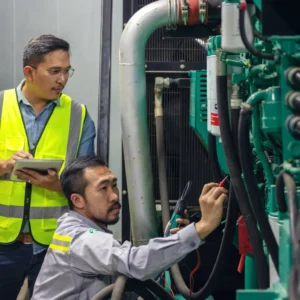
Technical workers are those whose jobs require scientific knowledge.
Article 139, Labor Code
3. Workers in Family Workshops
This exception applies to foreign workers in family workshops, reflecting an understanding of the nature of family businesses and microenterprises. It recognizes that these businesses may rely on individual skill and craftsmanship, regardless of nationality.
4. Foreigners with Family Ties in the Country
Foreigners married to Dominican citizens, or those with Dominican children, also benefit from an exception, reflecting a policy that values and respects family ties. This exception also facilitates cultural and social integration, promoting an inclusive society.
5. Consideration of Socioeconomic Impact
Each of these exceptions, while seemingly individual, points to a broader balance between protecting local jobs and promoting a dynamic and adaptable labor market. By considering factors such as knowledge transfer, family unity, and the need for specialized skills, Article 138 demonstrates a nuanced approach that takes into account the wider socioeconomic impact.

Nationalization of Labor and the Uniqueness of Worker-Partners: Unraveling Article 140
Within the regulatory framework that seeks to promote the nationalization of labor in the Dominican Republic, Article 140 of the Labor Code occupies a unique space. This article extends the nationalization provisions, normally applied to traditional employees, to partners in a company who also perform operational or labor roles.
1. Nationalization of Labor in the Context of Worker-Partners
Article 140 ensures that partners who actively participate in the daily operations of a company are not excluded from the nationalized employment accounts required by Articles 135 and 137. In essence, if a partner works in the company as any other employee would, they must be treated as such for the purposes of nationalizing labor quotas.
- Preventing the Evasion of Nationalization QuotasThis approach prevents companies from evading their responsibility to employ a certain percentage of Dominicans by simply classifying employees as "partners" or "members of the company." This closes a potential legal loophole, ensuring the integrity of labor nationalization policies.
- Promoting Equality in EmploymentBy including worker-partners in the same category as other employees for naturalization purposes, a level playing field is promoted. Companies cannot circumvent regulations by employing foreigners in worker-partner roles, ensuring that Dominican citizens have equal access to employment opportunities.
2. Implications and Practical Management
The application of Article 140 requires careful consideration and handling:
- Documentation and Verification: Companies must be prepared to properly document the roles and work activities of partners, demonstrating that those being considered for nationalization quotas are effectively involved in the company's daily work.
- Redefining Work Structures: For corporations with a diverse range of partners, including international ones, this article could lead to a reassessment of how job tasks are defined and assigned. This ensures compliance without limiting the company's ability to benefit from global expertise and skills.
Article 140 reinforces the Dominican Republic's commitment to the nationalization of labor, extending its scope to include not only traditional employees but also partners who contribute to the company's work. This inclusion strengthens protections for Dominican workers and ensures that regulations remain effective and applicable across the diverse spectrum of the modern corporate environment. While challenging to implement, this article underscores the country's determination to preserve and prioritize opportunities for its workforce within the context of its developing economy.
Prioritization and Protection in Staff Reduction: A Comprehensive Look at Articles 141 and 142
In today's volatile economic environment, workforce reduction decisions are complex and have direct consequences for workers and the community at large. Articles 141 and 142 of the Dominican Republic's Labor Code provide a comprehensive framework that not only minimizes the negative impact on Dominican workers but also promotes fairness and non-discrimination throughout the process.
- You might be interested in: The suspension of the effects of the employment contract in the Dominican Republic: An analysis of Title V of Book I of the Labor Code, Law 16-92.
1. Harmonizing Social Protection with Labor Equity
While Article 141 provides a specific hierarchy for dismissals, prioritizing job security for Dominican workers and those with family responsibilities, Article 142 introduces a principle of fairness based on seniority and merit.
- Seniority as a Criterion of Equity: In situations where employees are on equal footing, Article 142 ensures that those with longer tenure are considered more secure against dismissal. This criterion not only values experience and loyalty but also provides an objective measure that complements the stratified approach of Article 141.
- Merit-Based Selection in Cases of Equal Seniority: If the seniority of the employees is identical, Article 142 gives the employer the prerogative to make a decision, preferably based on performance, skills, and contribution to the business. This clause underscores the importance of meritocracy and objectivity in the decision-making process.
2. Navigating Social and Economic Impact
The combination of these articles strengthens social safety nets for Dominican workers, promoting family stability and mitigating unemployment. However, this regulation also requires careful scrutiny to ensure adherence to the principles of non-discrimination and alignment with international labor standards.
- Balancing Labor Rights with Business Priorities: Although Article 141 firmly prioritizes Dominican workers, the flexibility within Article 142 allows companies to maintain effective operations, especially when certain critical skills or roles are at stake. However, it is imperative that these decisions be communicated transparently and clearly justified to maintain a harmonious and fair work environment.
3. Adaptability in Business Practice
The interpretation of these articles suggests a guideline that, while clear, allows for adaptability based on the unique needs of the business and workforce. Companies, therefore, must be prudent in how they balance these guidelines with operational continuity, ensuring that any action taken is in the best interests of the workforce and the long-term viability of the company.
Articles 141 and 142 of the Labor Code, taken together, represent a delicate and well-considered balance between protecting employment for Dominican citizens and promoting a fair and merit-based workforce reduction process. In doing so, these statutes reflect a deep commitment to labor dignity, social justice, and economic responsibility—factors that are indispensable for any society seeking to thrive in a competitive and ever-changing global landscape.
Article 143 of the Dominican Republic's Labor Code introduces a provision that grants the Minister of Labor the authority to make exceptions in specific circumstances during workforce reductions. This article acknowledges that there may be unique or extreme situations in which strictly adhering to the established rules for workforce reductions could be detrimental to the company. An analysis of this article follows.
Flexibility and Prudence in Staff Reduction: The Role of the Minister of Labor according to Article 143
In the context of a dynamic and often unpredictable economy, labor laws must balance the protection of workers' rights with the operational viability of businesses. Article 143 of the Labor Code addresses this need for flexibility.
1. Exceptionality and Discretion in Critical Situations
Article 143 grants the Minister of Labor the power to authorize exceptions to the general rules of severance pay, established mainly in Articles 141 and 142. This authorization can only occur in exceptional circumstances when strictly adhering to these rules could cause serious harm to the company.
- Analysis of Circumstances: It is presumed that the Minister of Labor, in exercising this authority, will conduct a thorough analysis to determine whether the conditions justify an exception. This could include reviewing the company's financial health, the nature of its operations, and the economic and social impact of any proposed staff reductions.
- Abuse Prevention: While this article introduces flexibility, there is also a risk that companies may seek these exceptions to circumvent their legal responsibilities. Therefore, the Ministry of Labor is expected to act prudently, ensuring that exceptions are granted only when absolutely necessary to preserve the viability of the company without unfairly compromising workers' rights.
2. Implications for Job and Economic Stability
The prudent exercise of this authority has profound implications.
- Economic Stability: Allowing a business to operate more flexibly during difficult times can prevent more serious consequences, such as bankruptcy or closure, situations that could result in even greater job losses and a negative impact on the local economy.
- Trust in the Legal System: The discretion granted to the Minister of Labor also reinforces confidence in the legal system, demonstrating that laws are not inflexible and can be adapted to economic and social realities, provided that the fundamental principles of fairness and justice are respected.
3. The Balance between Labor Protection and Business Continuity
This article underscores the importance of striking a balance between protecting employees and enabling businesses to manage severe crises. However, this flexibility also requires transparency and good faith from companies. They must provide clear evidence of their situation and fully cooperate with the Ministry of Labor.
Article 143 of the Labor Code is an essential component of Dominican labor legislation, providing a necessary mechanism for flexibility in extraordinary circumstances. In doing so, it safeguards both workers' livelihoods and the economic health of businesses, and by extension, the national economy. However, the success of this article depends largely on its careful and judicious application, ensuring that each exception is justified, proportionate to the crisis in question, and maintains respect for labor rights.
This analysis makes it clear that Article 143 is not a way to avoid responsibility but an emergency measure that recognizes that absolute rigidity in the law can, in exceptional cases, be counterproductive. Its implementation requires careful scrutiny and a balanced assessment of each unique situation.
Nationalization of Management Roles: Local Empowerment according to Article 144
In the context of globalization and international competition, Article 144 of the Labor Code presents a strategy focused on ensuring that Dominicans are not only employed but empowered within the country's labor ecosystem.
1. National Preference in Key Positions
Article 144 states that administrative, managerial, and any other leadership roles should preferably be filled by Dominicans. This provision also extends to supervisory roles in the agricultural sector.
- Local Empowerment and Leadership: By prioritizing Dominicans for leadership roles, this law seeks to ensure that business and strategic decisions are aligned with national interests and that the development of local talent is promoted in areas of high influence and decision-making.
- Knowledge Transfer and Skills Development: This also fosters a transfer of knowledge from expatriates or foreign staff to local professionals, thereby strengthening the country's human capital and promoting business management that deeply understands the local context.
2. Equity in Compensation and Working Conditions
Also important in this article is the stipulation that when a Dominican replaces a foreigner in a management position, he or she must receive the same salary, rights and working conditions.
- Fight against Wage Discrimination: This provision is crucial to preventing wage discrimination based on nationality, ensuring that Dominican professionals receive fair compensation for their skills and contributions, comparable to that of their foreign counterparts.
- Valuing Local Talent: By ensuring equitable conditions, Dominican workers are motivated to aspire to leadership roles, knowing that they will be valued and fairly rewarded for their work.
3. Implications for Businesses and the Economy
For companies, especially multinationals and those with foreign investment, this implies the need to integrate local talent at their highest levels of operation.
- Cultural and Operational Integration: Companies should foster a work environment that not only integrates Dominicans into shared work teams but also places them in roles where they can significantly influence company decisions and operations. This also benefits companies by ensuring their operations are aligned with the cultural, economic, and social realities of the Dominican Republic.
- Contribution to Economic Development: At the macroeconomic level, fostering Dominican leadership in key business sectors contributes to economic development. By empowering Dominicans in leadership roles, a more equitable distribution of wealth is facilitated, and innovation and entrepreneurship are promoted—vital aspects for a healthy and sustainable economy.
Article 144 is a cornerstone of the Dominican Republic's nationalization of labor strategy, promoting not only employment but also the genuine empowerment of Dominicans in the economy. Through preferential hiring practices and equitable compensation, this article reinforces the country's commitment to workforce development and the protection of labor rights. However, its success depends on rigorous implementation and a strong corporate commitment to these principles, demonstrating that sustainable development is best achieved by prioritizing local talent and leadership.
This analysis underscores how Article 144 goes beyond simple hiring, seeking to structurally change the labor market so that Dominican citizens not only participate, but lead in the business environment, benefiting both companies and society as a whole.
However, Article 145 of the Dominican Republic's Labor Code introduces a special provision that allows for some flexibility in the application of employment regulations, particularly in specific sectors such as agriculture and industry. A detailed analysis of this statute and its implications is presented here.
Flexibility in the Nationalization of Labor: The Role of the Executive Branch according to Article 145
Article 145 recognizes that, in certain circumstances, rigid application of labor laws can be counterproductive for specific sectors. Therefore, it establishes mechanisms to introduce flexibility, maintaining a balance between labor protections and operational needs.
1. Exceptional Authorizations in the Agricultural-Industrial Sector
The law allows the Executive Branch to grant special permits to employ foreign workers in excess of the legal limit in agricultural and industrial companies. These permits, valid for no more than one year, are granted in situations where foreign labor is essential.
- Managing Labor Shortages: At a time when there are not enough Dominican workers available or qualified to meet the demands of the agricultural sector, this provision helps to avoid disruptions in critical operations, ensuring the continuity of production and the protection of the economy.
- Regulation of Temporary Workers: These permits also serve to regulate the presence of temporary migrant workers, especially during harvest seasons, where the demand for labor may exceed the local supply.
2. Limitations and Safeguards
Although the article allows for flexibility, it also establishes limits and safeguards to prevent abuses.
- Permit Duration: By limiting the validity of the permit to one year, the statute ensures that companies do not become overly dependent on foreign workers and that this mechanism is not used to circumvent general employment regulations.
- Review and Accountability: It is presumed that the granting of these permits comes with the responsibility to review and justify their necessity, thus avoiding labor exploitation and ensuring that working conditions comply with national and international laws.
3. Economic and Social Implications
The implementation of this article has several implications for both the agricultural-industrial sector and the Dominican workforce.
- Economic Stability and Food Security: By enabling agricultural-industrial enterprises to operate efficiently, especially during peak seasons, this article indirectly contributes to the country's economic stability and food security.
- Protection of Local Workers: Even with the introduction of foreign labor, it is crucial that this does not undermine the opportunities and rights of Dominican workers. The measure seeks to complement, not replace, the local workforce.
Article 145, therefore, is a pragmatic provision that recognizes the need for flexibility in a dynamic economic world. While it permits the hiring of foreign workers under specific circumstances, its primary objective remains to protect and prioritize Dominican workers. The effectiveness of this article depends on its responsible application and rigorous regulation, ensuring respect for labor rights and promoting an equitable and sustainable labor market.
- You might be interested in: Temporary Worker Permit in the Dominican Republic
In summary, this analysis of Article 145 highlights its role as a necessary legal tool for balancing the immediate needs of industry with the long-term protection of the Dominican Republic's workforce and economy. Its careful application is essential to ensure that it serves as a bridge to stability and not as a breach in labor protections.
Conclusion
At the forefront of labor protection and economic sovereignty, the Dominican Republic has established a robust legal framework that prioritizes the well-being, employment, and empowerment of its citizens within the labor market. A thorough analysis of the provisions, from Article 135 to Article 145 of the Labor Code, reveals a systematic and well-orchestrated pattern aimed at nationalizing the workforce—a strategy that not only addresses immediate employment needs but also projects a vision for sustainable development and economic self-determination.
The Code, in essence, advocates for a delicate balance between protecting Dominican workers and the need for operational flexibility for businesses, especially in critical sectors and during times of economic hardship. The inclusion of measures allowing for exceptions in extraordinary circumstances reflects a realistic understanding of global economic dynamics and demonstrates government pragmatism.
However, the effectiveness of these regulations depends not only on their legal design but also on their implementation and monitoring. The government's ability to oversee and enforce these provisions is fundamental to preventing abuses and ensuring that companies do not evade their social and economic responsibilities. Furthermore, it is imperative to maintain a constant dialogue between the government, the business sector, and civil society to adapt to changing economic and social realities.
Ultimately, the Dominican Republic's labor nationalization policies serve as a commitment to its citizens, ensuring that economic growth and foreign investment do not marginalize the local workforce. Instead, these policies foster an ecosystem in which Dominicans not only participate in the economy but also fairly benefit from their contributions.
This commitment to labor equity and economic development, if carried out diligently and transparently, will position the Dominican Republic on a path of inclusive, resilient, and sustainable growth, serving as a model for economic sovereignty in the context of globalization.